AI Can Fake the Frame. It Can't Fake the Room.
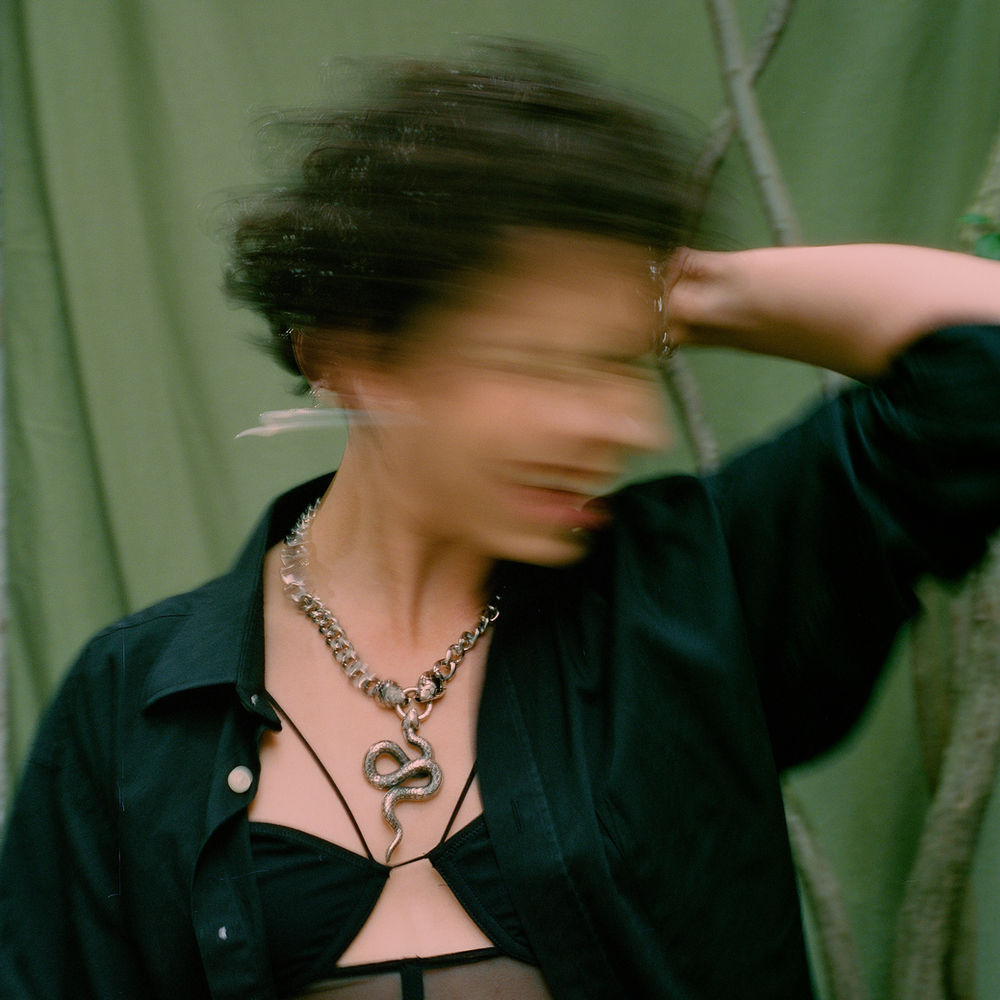
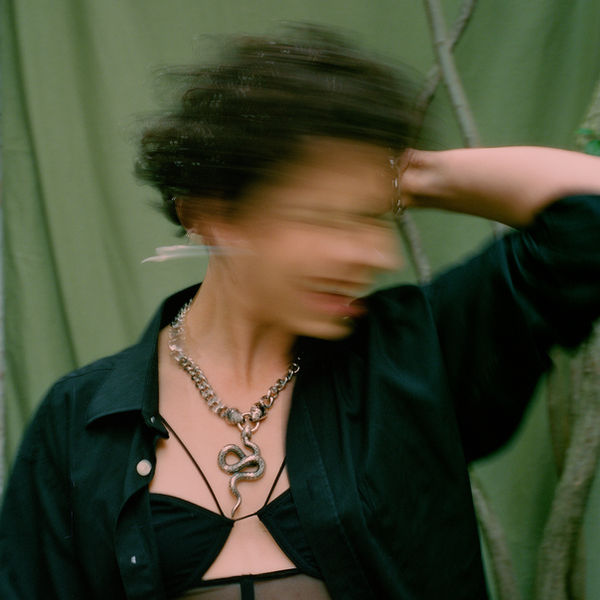
Isabel, (iso)², and why the last real thing in an image is who was actually standing in it.
There are more images now than there have ever been.
Perfect faces. Clean light. Whole campaigns generated before lunch, indistinguishable from the ones that took a crew a week.
Most of them are technically flawless and completely dead.
Because the question was never whether a machine could make a good-looking frame. It can. It does, endlessly.
The question is whether anyone was actually there.
That's the line ISO Squared works on.
Isabel shoots under (iso)² — film photographer, director, based in Montreal, and one half of the lens behind Spacely's GEMINI 8 field test. She'll tell you plainly that AI can make a frame that looks real. She's not precious about the tool. What she's precise about is the thing the tool can't touch.
“With AI you're creating all by yourself. What makes it alive is that everyone involved helped make it real — everyone took part in it.”
That's the whole argument, said quietly. The realness isn't in the light or the grain or the lens. It's in the room. The model moving with you. The crew that trusted a weird idea. The energy of people building something in the same place at the same time, which no model has ever had access to, because a model has never been in a room.
Two modes, and knowing which one you're in
Most people who pick up a camera do one thing. ISO does two, and she's clear about the difference.
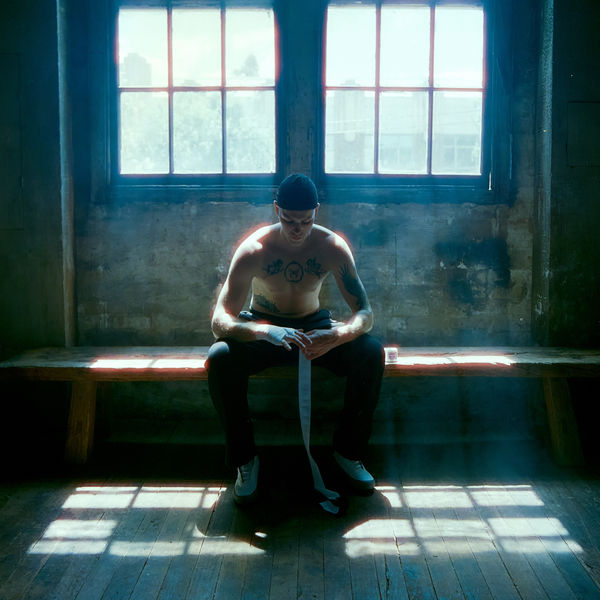
There's documenting — the silent-observer mode, fly on the wall, taking what's already there without touching it. She loves that. No tweaking, no direction, just the moment as it is.
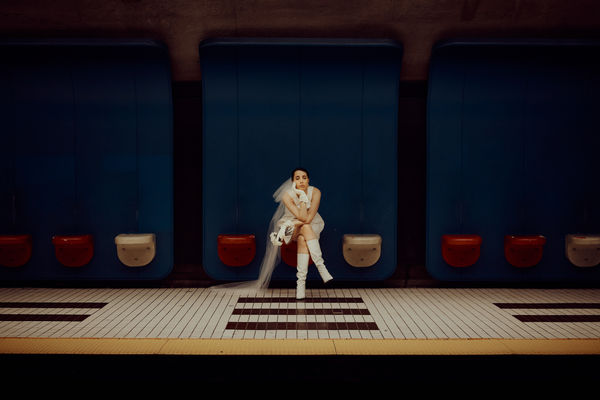
And then there's directing, which is a different animal entirely.
Direction kicks in when the moment alone can't carry what she's seeing. It's not that taking photos stopped being enough, she says — it's that in certain moments she wants to tell more than the moment itself. The frame she's after doesn't exist yet. It's in her head, and she has to build it.
She frames it as project management, which sounds unglamorous until you understand she means it as a compliment.
An engineer by training, an overthinker by admission — traits that would sink most shoots become the reason hers hold. Every detail of the frame gets thought through before anyone lifts a camera. Nothing is accidental. That's not fussiness. That's direction.
Twelve frames
She shoots medium format. Six by six. Twelve exposures on a roll.
In a culture that fires a thousand digital frames a second and sorts them later, that number sounds like a handicap. It isn't. It's the point.
“Twelve photos, for the main shots in a campaign, is actually all you need. If they're well thought through, that's it. Anything else is just bonus.”
Film does something to her overthinking that digital can't. Digital invites thirty versions of a shot that was right on the first. Film obliges her to commit — behind the film camera she stops overthinking, takes the shot, and once it's taken, it's done. She moves on.
There's a discipline hidden in the constraint. Twelve frames means every frame has to earn its place before it's spent. You slow down. You ask why this one — why it's worth more than the others, why it's speaking to you louder. The limit isn't the enemy of the work. It's what makes the work considered.
Real versus good-looking
Ask her what separates a frame that's real from one that just looks good, and she takes a second. It's the hardest question to put words to, she says.
It's emotion. Curiosity. A frame that makes you stop, look again, want to know more — why it was shot there, why the model is placed like that, why you should care.
“Something real is something that makes you curious. That makes you want to dive in and know more.”
This is where the AI conversation actually lives, and Isa doesn't flinch from it. She'll grant that you can make a real-feeling frame with AI. She'll grant that a whole campaign can be generated that looks convincingly, uncomfortably real. So why go outside, assemble people, burn a day of light and twelve frames of film?
Because clothing is made to be worn by a body in the real world, and the frame has to know that.
“You need to create something people can imagine themselves in. Where they can see how this clothing is made for them.”
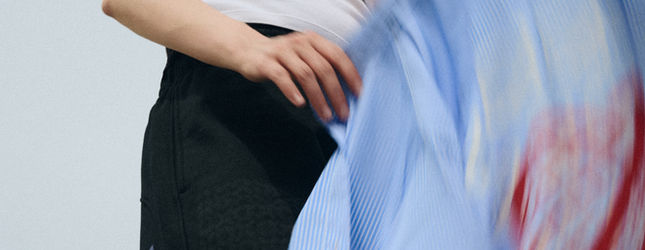
Not a pretty picture with a blurred background. The fit. How the sleeves fall. How the seam is done. Colour that survives the trip to someone's screen and arrives looking like the promise. And underneath it — a person who could be you, in a place that has a pulse. The human touch a machine can approximate but never own, because it was never in the room to feel it.
The quarter-second of doubt
There's a moment Isa can name exactly — the moment a frame becomes hers and no one else's.
“The frames are mine when I can see a quarter of a second of doubt on their face, but they trust me.”
Her crew shifts. The model asks, really, you want me like this? And she says yes, hold it, move your hand just slightly. The images she's proudest of are the ones that felt awkward in the making — the ones her people had to trust her through before they could see what she saw.
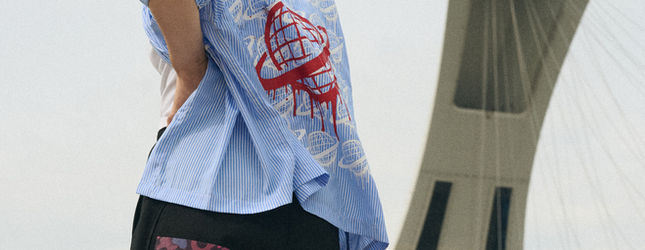
That trust is easier to earn at home. GEMINI 8 was shot on her turf, near the Olympic Stadium in Montreal, ground she grew up around. When a place is home, she knows the frame before she arrives — she previsualised every image on that shoot before setting foot there.
She's also stopped apologising for how she works. On set she goes quiet — a half minute, sometimes a full one, saying nothing, just looking, building the next frame in her head. She's on the spectrum, and for a long time she tried to work at everyone else's pace, keep the small talk going, be what a set expects.
“When I'm creating, I'm on a slower pace, in my own head. And when I start directing, that's when I take control and make what's in my head real.”
The “different aura” people put on her isn't a brand. It's her refusing to perform someone else's tempo to make a room comfortable. She takes the time the frame needs. Then she gets the shot she came for, and she jumps in place, giggling. That's the whole range, and she stopped hiding either end of it.
Why this shoot, this brand
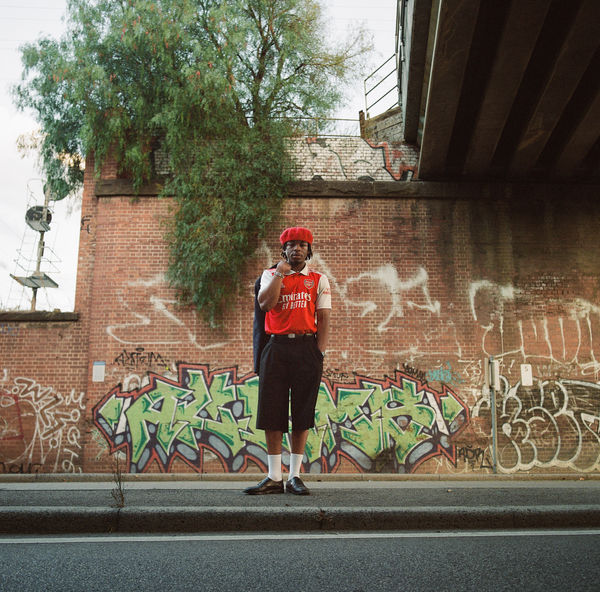
A Melbourne label, shot in Montreal, by a photographer who says the two cities are the same place wearing different clothes. Everyone she knows who's crossed between them says it. She felt at home in Melbourne on arrival.
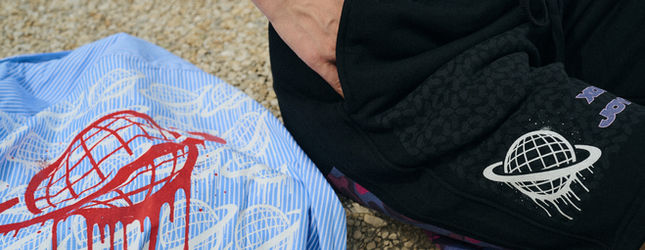
The GEMINI 8 gear told her what it wanted the second she saw it. Red on the shirt — loud, alive, unbothered. Purple in the back of the joggers. Colour, in a landscape she reads as dull and risk-averse, where people are scared to stand out from the horde.
“It just feels like walking around saying, I don't give a shit if I'm standing out from this horde of sheep.”
That's the same law Spacely runs on, from the other side of the lens. Real, not manufactured. Made by people, in a place, with intention — the exact things a generated campaign can imitate and never actually contain. ISO didn't shoot a product. She shot a room that existed. The clothes were in it.
Five years out
Ask where (iso)² goes and she doesn't reach for scale.
“A version that's free to create only the way I want to create. But that has built a community around her. People who share a passion for creative work.”
A brand that inspires, connects, and remembers that everyone's vision is worth sharing. Collaboration first, not personality first. Not the loudest room. The one where the work speaks, and where nobody in it was ever alone with the machine.
Which is the quiet threat underneath everything she said.
The images will keep getting easier to make and harder to trust. And the only thing left that can't be generated is the one thing she keeps building on purpose — the room, full of people, making something real together while they still can.
Follow ISO — @iso_squared
Creative Spotlight is an ongoing series on the Henry Skillz Transmission Log — documenting the operators, creatives, and builders working at the intersection of culture, craft, and new systems.
Henry Skillz is the founder of Spacely Clothing and creative director at Holla Back Entertainment. Melbourne based.

Enlist With The Ground Crew
First access, field notes, and 15% on Spacely, permanently.
Request Access ↗