How Music Unlocks Creativity: Lessons from 20 Years Behind the Decks
- Oct 7, 2025
- 4 min read

I've spent 20 years chasing the perfect beat. As a DJ, producer, and creative director, I've learned that music isn't just entertainment — it's a tool. A weapon. A catalyst for everything from breakthrough ideas to deep focus to emotional recovery.
At the start of the year, when a medical collapse forced me to rebuild my life from scratch, music became more than my craft — it became my therapy, my structure, and my way back to creativity. That recovery produced My Life, a track born from hospital reflections and studio resilience.
This isn't theory. This is what I've learned touring with the likes of Snoop Dogg, Mac Miller, and Bone Thugs-N-Harmony. This is what I use when building brands, curating events, and producing beats at 3 AM. This is how music unlocks creativity.
Why Music Is the Ultimate Creative Tool
Music does something unique: it accesses parts of your brain that logic can't reach. When I'm producing, I'm not just arranging sounds — I'm solving problems, building narratives, and creating emotional architecture.
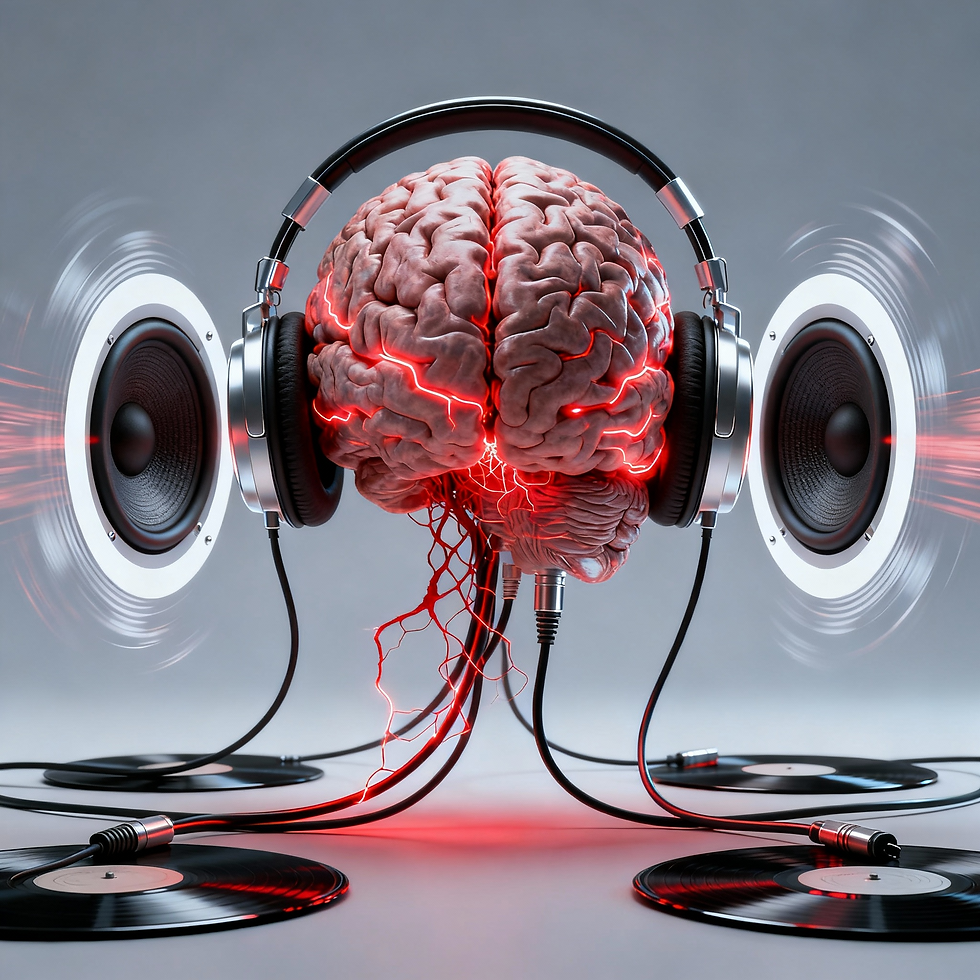
Science backs this up. Music activates multiple brain regions simultaneously — emotion, memory, motor control, pattern recognition. This cross-pollination creates cognitive flexibility, the ability to see connections others miss.
But here's what the research doesn't tell you: the right music at the right time can turn a blank page into a finished concept. It can transform creative block into flow state. It can make the impossible feel inevitable.
The DJ's Framework: Matching Music to Creative Tasks
After two decades behind the decks, I've learned that different creative tasks require different sonic environments. Here's my framework:
1. Brainstorming & Ideation: High Energy, Low Lyrics
When you're generating ideas, you need momentum without distraction. Instrumental hip-hop, jazz fusion, or electronic music with driving beats works best. The rhythm creates forward motion. The lack of lyrics keeps your internal dialogue clear.
My go-to: J Dilla, Nujabes, The Alchemist, or classic Madlib. These producers understand space, texture, and how to build energy without overwhelming the listener.
2. Deep Work & Focus: Ambient & Minimal
When I'm coding a website, writing strategy documents, or mixing a complex track, I need music that supports without demanding attention. Ambient textures, minimal techno, or classical piano create the perfect background.
Think Brian Eno, Nils Frahm, or lo-fi hip-hop playlists. The key is consistency — no sudden changes, no lyrics competing for mental bandwidth.
3. Problem-Solving: Strategic Silence & Sudden Shifts
Sometimes the best creative tool is silence. When I'm stuck on a problem, I turn everything off. Then, after 15-20 minutes of thinking in quiet, I'll drop something completely different — maybe Afrobeat, maybe classical, maybe jazz.
The contrast resets your brain. New genre, new perspective, new solution.

From Hospital Bed to Studio: Music as Creative Recovery
In 2024, I learned something most people never have to: how to rebuild creativity from zero.
After my medical collapse, I couldn't do much. But I could listen. And slowly, I could create again. Music became my bridge back to myself.
That's when My Life was born — not from inspiration, but from necessity. Every beat was therapy. Every melody was proof I was still here. The creative process wasn't about making something perfect; it was about making something at all.
If you're facing your own creative drought — whether from burnout, loss, or just being stuck — music can be your way back. Not as background noise, but as active practice. Create playlists. Experiment with production. Let sound remind you what's possible. (Learn more about building resilience through creativity.)

Practical System: My Weekly Creative Music Routine
Here's the system I use to maintain creative momentum:
Monday mornings: New Music Mondays playlist — Fresh sounds spark fresh thinking for the week ahead.
Deep work sessions: 90-minute blocks with ambient/minimal music, no lyrics.
Creative sessions: Instrumental hip-hop or jazz for brainstorming and strategy work.
Late-night production: No rules — whatever fits the mood and the project.
Weekly reset: One hour of just listening — no work, no screens, just music and reflection.
This isn't rigid. Some weeks I follow it perfectly. Some weeks I don't. The point is having a system that supports creativity without constraining it.
The Discipline Creates Momentum Philosophy
Music and creativity aren't about waiting for inspiration. They're about showing up consistently and creating the conditions for breakthroughs to happen.
Discipline Creates Momentum. That's not just my mantra — it's my creative operating system. (Read more about developing a growth mindset.)
When you build a disciplined approach to how you use music — when you select it intentionally, use it strategically, and treat it as a tool rather than decoration — you unlock something powerful. You turn creativity from a mystery into a practice.

Your Next Move
If you're ready to use music as a creative tool, here's where to start:
Follow New Music Mondays on Spotify — A weekly curated playlist of fresh tracks to fuel your creative week.
Experiment with the frameworks above — Match your music to your creative tasks for one week and track what works.
Create your own creative playlists — Build collections specifically for brainstorming, deep work, and problem-solving.
Connect with me on Instagram @henryskillz — I share music, mindset, and creative process content daily.
Music saved my creativity. It can unlock yours too.
Discipline Creates Momentum. Now go build yours.


Comments